When Is a Roof Problem Worth Getting Checked Professionally?
Roofing problems are not always dramatic. In many cases, the first warning sign is something relatively small: a tile that looks slightly out of position, an occasional damp mark, a section of flashing that appears loose or debris that has unexpectedly fallen from the roof. Because the property may still seem perfectly weatherproof, it can be tempting to wait and see whether the problem develops.
However, small visible changes can sometimes be the first indication of a larger issue. For homeowners in Olney, Buckinghamshire, knowing when to arrange a professional roof inspection can help identify defects while they are still localised and easier to address. At SC Roofing Olney, we assess roofing problems carefully to establish their cause and recommend the most appropriate solution.
If You Can See a Roofing Defect, It Is Worth Investigating
A visible defect does not necessarily mean that serious damage has occurred, but it does mean something has changed.
Examples include:
- Slipped or missing tiles
- Cracked tiles or slates
- Loose ridge materials
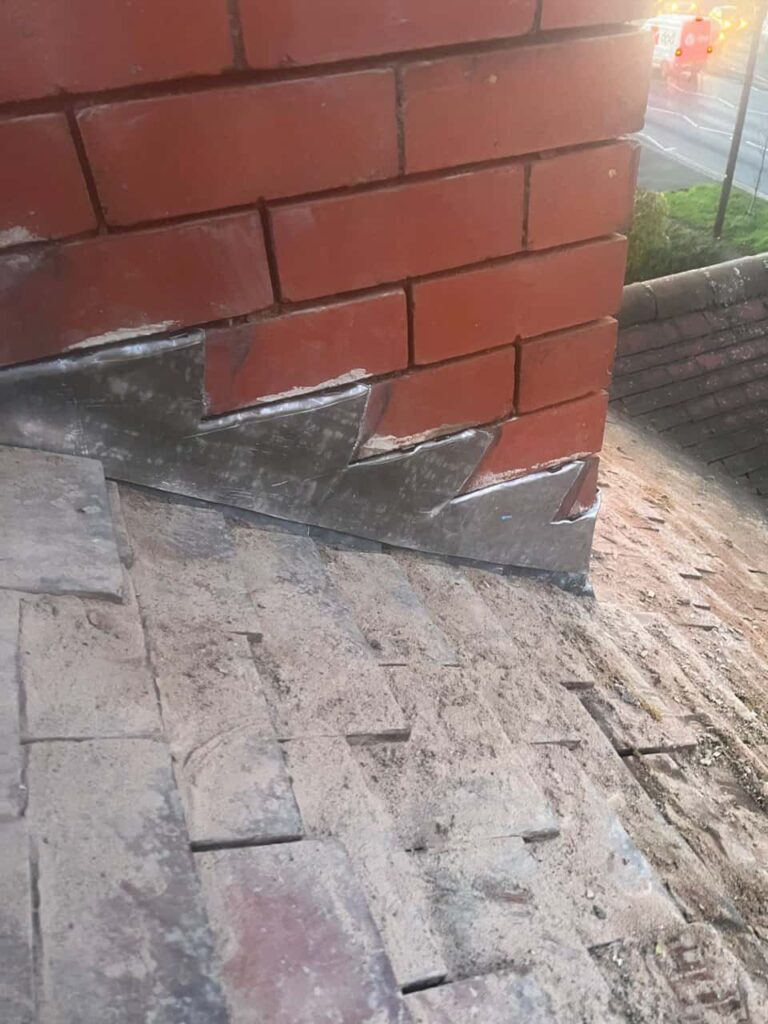
- Damaged flashing
- Debris falling from the roof
- Sections that appear uneven
These problems can expose less weather-resistant parts of the roofing system, so having them assessed can prevent unnecessary deterioration.
A Small Leak Should Never Be Considered Normal
One of the clearest reasons to arrange a professional inspection is evidence of water entering the property.
This might appear as:
- A damp patch on a ceiling
- Discolouration around an internal wall
- Moisture inside the loft
- Water marks around a chimney area
- Dampness that appears after heavy rainfall
Even if the mark is small or disappears when the weather improves, the route allowing water into the roof may still exist.
Why the Location of a Leak Can Be Misleading
Finding a damp patch indoors does not necessarily tell you where the roof has failed.
Water can enter through one location and travel along underlay, timbers or other components before becoming visible somewhere else. This means simply examining the area directly above an internal stain may not identify the actual cause.
Professional roofers investigate the wider area, considering possible defects in the roof covering, flashing, valleys, junctions and other vulnerable details.
Finding the true entry point is essential if the repair is going to provide a lasting solution.
Slipped Tiles Deserve Prompt Attention
A single slipped tile can appear relatively minor, particularly if there is no immediate leak.
However, tiles form part of an overlapping system designed to direct rainwater away from the roof. Once one moves out of position, the materials beneath it may become more exposed to the weather.
A slipped tile can sometimes indicate:
- A failed fixing
- Deteriorating battens
- Weather-related movement
- Damage to the tile itself
Professional assessment can establish whether the issue is confined to one tile or whether surrounding areas also require attention.
Check the Roof After Severe Weather
Strong winds and heavy rainfall can expose weaknesses that were not previously obvious.
Following poor weather, homeowners may notice missing tiles, displaced ridge materials or debris around the property. Sometimes there are no visible signs from ground level even though a vulnerable section has been disturbed.
If something about the roof looks different after severe weather, arranging an inspection provides a sensible way to determine whether any repair is required.
Recurring Problems Need More Than Repeated Quick Fixes
A roof that develops the occasional isolated problem over many years is very different from one requiring frequent attention.
If leaks, loose tiles or other defects repeatedly appear, the important question becomes why they are happening.
Recurring roofing problems can sometimes indicate:
- Ageing roof coverings
- Deteriorating underlay
- Weak battens or fixings
- Problems around roof junctions
- Wider weathering across the roof
Rather than continually addressing individual symptoms, a professional assessment can establish whether there is a broader underlying cause.
Problems Around Flashing Should Be Checked
Flashing protects vulnerable junctions where different parts of the roof meet. These areas require careful weatherproofing because they can otherwise provide routes for water penetration.
If flashing becomes loose, damaged or deteriorated, water may find its way beneath surrounding roofing materials.
Professional inspection is particularly valuable because the visible section may represent only part of the weatherproofing detail.
Sagging or Uneven Areas Require Professional Assessment
Changes in the shape or line of a roof should not be ignored.
An uneven section does not automatically reveal the cause, and attempting to diagnose structural changes from ground level is difficult. A professional roofer can assess the affected area and determine whether the issue relates to the covering, supporting materials or another part of the roofing system.
Where the appearance of the roof has noticeably changed, early investigation is the sensible approach.
Internal Loft Signs Can Reveal Roof Problems
Not every warning sign appears outside.
The loft can sometimes provide useful evidence that the roof is no longer performing as it should.
Signs worth investigating include:
- Damp roof timbers
- Water staining
- Moisture on the underside of roofing materials
- Unexpected daylight through the roof covering
- Damp or affected insulation
These symptoms should be professionally assessed so the source can be identified before further deterioration develops.
An Ageing Roof Can Benefit from Periodic Assessment
A roof does not need replacing simply because it is old. Many older roofs remain serviceable when they have been properly maintained.
However, ageing materials can become increasingly vulnerable to weathering, which makes occasional professional assessment useful.
A roofer can examine whether deterioration is:
Localised
If most of the roof remains sound, targeted repairs may be all that is required.
Widespread
If several components are deteriorating simultaneously, more extensive work may need to be considered.
The condition of the roof is more informative than age alone.
Why Early Inspection Can Make Roof Repairs More Manageable
Roofing defects often become more complicated when water and weather are allowed to affect surrounding materials.
For example, an initially small opening may eventually affect:
- Underlay
- Battens
- Roof timbers
- Adjacent tiles
- Internal finishes
Identifying the original defect before this happens can limit the extent of the work required.
This is one of the strongest reasons not to wait for a roofing problem to become severe before requesting professional advice.
Avoid Diagnosing a Roof Entirely from Ground Level
Looking at the roof from outside can be useful for spotting obvious changes, but it provides only a limited view.
Important problems may exist:
- Beneath tiles or slates
- Behind flashing
- Around roof junctions
- Within the loft
- Beneath previous repairs
Professional inspection considers the roof as a complete system rather than judging its condition from one visible symptom.
What Does a Professional Roofer Look For?
The purpose of an inspection is not simply to confirm that a problem exists. It is to determine its cause, extent and appropriate solution.
Depending on the roof, an assessment may consider:
- Tiles or slates
- Ridge and hip details
- Flashing
- Roof junctions
- Signs of water ingress
- Previous repair areas
- General roof condition
This helps distinguish a straightforward local repair from a problem requiring more extensive attention.
When Should You Arrange an Inspection?
As a general rule, professional advice is worthwhile when you notice a change in the roof or evidence that its weather protection may have been compromised.
Particularly useful times to arrange an assessment include when:
- A leak has appeared
- Tiles or slates have moved
- Roofing materials have fallen
- Problems have developed after severe weather
- Damp has appeared inside the property
- Previous roofing issues keep returning
- The roof has developed visible deterioration
You do not need to wait for significant water ingress before having the roof checked.
Professional Roofing Services in Olney
At SC Roofing Olney, we provide professional roofing services throughout Olney, Buckinghamshire, with an emphasis on identifying the underlying cause of roofing problems rather than simply treating visible symptoms.
Whether you have noticed a minor defect, recurring leak or deterioration on an ageing roof, having the problem properly assessed can provide clarity about what needs attention and whether a repair is required.
Conclusion
A roof problem is worth getting checked professionally whenever there is evidence that something has changed or the roof may no longer be providing consistent weather protection. Small leaks, slipped tiles, damaged flashing and unusual changes in the roofline can all justify further investigation, particularly when problems return or worsen during poor weather.
Early assessment does not mean extensive work will automatically be necessary. In many cases, identifying a localised defect promptly allows an appropriate repair to restore the roof before surrounding materials are affected.
For homeowners in Olney, Buckinghamshire, SC Roofing Olney provides professional roof inspections and repairs focused on identifying the real cause of roofing problems. If you have noticed something unusual about your roof, contacting our team for an assessment can help determine what attention it genuinely requires and keep your property reliably protected.
Call us on: 01234 860 698
Click here to find out more about SC Roofing Olney
Click here to complete our contact form and see how we can help with your roofing needs.